


Reasonably control the amount of irrigation water and safeguard the sustainable future of agriculture.
In agricultural production, the amount of irrigation water is a crucial factor. It not only affects the growth and harvest of crops, but is also closely linked to our ecological environment and the sustainable utilization of resources.
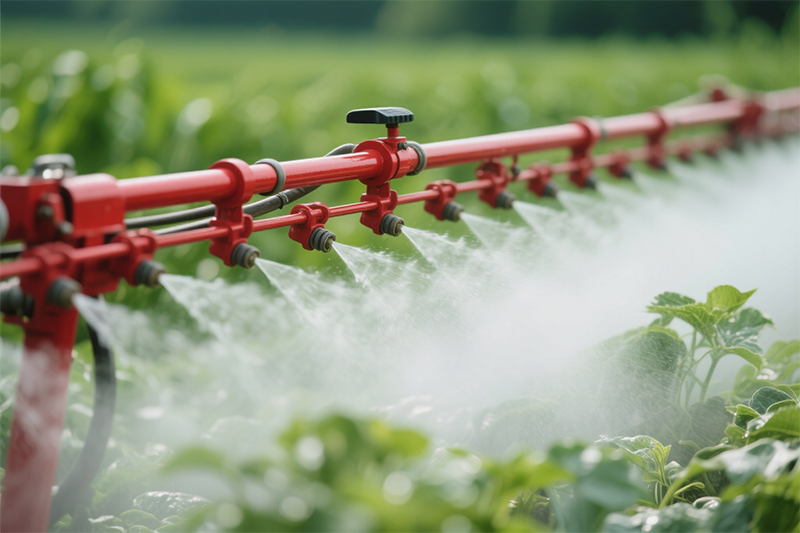
I. The Importance of Irrigation Water Volume
1. Ensuring Crop Growth
Water is the source of life, and this is especially true for crops. Appropriate irrigation water can ensure that the soil maintains an appropriate moisture level, providing necessary conditions for seed germination, root growth, and plant development. Different crops have different water requirements at different growth stages. For example, during the seedling stage, crops need relatively less water, while during the flowering and fruiting stage, they require sufficient water supply.
2. Affecting Crop Quality
Reasonable irrigation water volume can also affect the quality of crops. Excessive or insufficient water can both cause poor growth of crops and affect quality indicators such as fruit size, sweetness, and color. For instance, excessive irrigation may cause nutrient loss in the soil, resulting in poor nutrition for the crops; while insufficient irrigation may slow down the growth of crops and make the fruits smaller and have a poorer taste.
II. Hazards of Inappropriate Irrigation Water Consumption
1. Wasting Water Resources
Currently, global water resources are becoming increasingly scarce. Inappropriate irrigation water consumption can lead to significant waste of water resources. Traditional irrigation methods, such as flooding, often have low water efficiency. A large amount of water is lost during the irrigation process through evaporation, leakage or runoff, and very little of it is actually absorbed and utilized by the crops.
2. Damaging Soil Structure
Excessive irrigation can cause the air in the soil to be expelled, resulting in soil compaction and affecting the soil's air permeability and water permeability. In the long run, this will lead to a decline in soil fertility and be detrimental to the growth of crops. On the other hand, insufficient irrigation may cause the soil to become dry and develop cracks, thereby damaging the soil structure.
3. Polluting the Environment
Inappropriate irrigation water consumption can also lead to the loss of agricultural chemicals such as fertilizers and pesticides through water flow, polluting surface water and groundwater. These pollutants will cause severe damage to the ecological environment and affect the quality of water resources.
III. How to Reasonably Control Irrigation Water Consumption
1. Adopt advanced irrigation technologies
Modern irrigation technologies, such as drip irrigation, sprinkler irrigation, and micro-irrigation, can precisely control irrigation water consumption based on the needs of crops, significantly improving water efficiency. Drip irrigation technology can directly drip water to the roots of crops, reducing water evaporation and leakage; sprinkler irrigation technology can evenly spray water on the crops to avoid waste caused by excessive flooding; micro-irrigation technology can combine sensors and automated control systems to achieve precise irrigation.
2. Reasonably arrange irrigation time
Arranging irrigation time according to the growth needs of crops and climatic conditions can also effectively control irrigation water consumption. For example, irrigating in the morning or evening can reduce water evaporation; appropriately reducing irrigation frequency during the rainy season can avoid excessive irrigation.
3. Strengthen soil management
Improving soil structure and enhancing soil's water retention capacity can also reduce irrigation water consumption. This can be achieved through measures such as applying organic fertilizers and conducting soil improvement, increasing the organic matter content in the soil, improving soil aeration and permeability, and enhancing soil's water retention and fertilizer retention capacity.
4. Scientific fertilization
Reasonable fertilization can enhance the resilience of crops and reduce water demand. Avoiding excessive application of chemical fertilizers can prevent soil compaction and environmental pollution. At the same time, applying appropriate amounts of organic fertilizers and biological fertilizers according to the needs of crops can improve soil fertility.
IV. Summary
The amount of irrigation water is an important factor that cannot be ignored in agricultural production. Reasonable control of irrigation water usage can not only save water resources, increase agricultural production efficiency, but also protect the environment and achieve sustainable agricultural development. Let's work together to adopt advanced irrigation technologies, reasonably arrange irrigation times, strengthen soil management, and scientifically apply fertilizers. We should contribute our efforts to safeguard the sustainable future of our agriculture.